

If your dentist has told you that you need a root canal treatment, you may immediately have several questions.
Does it hurt?
Why do I need it?
Can the tooth still be saved?
How much will it cost?
Root canal treatment—often called RCT or endodontic treatment—is performed when the soft tissue inside a tooth, known as the pulp, becomes inflamed or infected. The purpose of treatment is to remove the damaged or infected tissue, clean the inside of the tooth and seal it so that the natural tooth can be retained whenever possible.
Modern root canal treatment is very different from the frightening stories many people have heard in the past. The treatment is designed primarily to remove infection, relieve pain and save the natural tooth.
This complete guide explains everything you may want to know—from recognising when a root canal may be needed to understanding the procedure, recovery and how the tooth is protected afterwards.
Quick Answer: What Is Root Canal Treatment?
A root canal treatment is a procedure used to treat inflammation or infection inside a tooth.
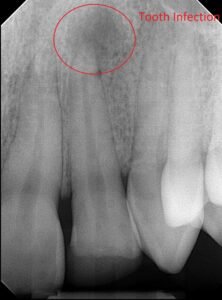
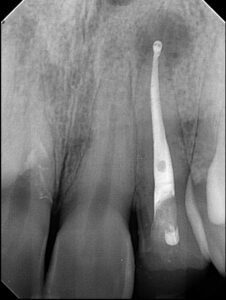
Inside every tooth is a soft tissue called the pulp. The pulp contains nerves, blood vessels and connective tissue.
When bacteria reach this inner part of the tooth, the pulp may become inflamed or infected.
During root canal treatment, your dentist:
- Removes the inflamed or infected pulp.
- Cleans and disinfects the inside of the tooth.
- Shapes the root canals.
- Fills and seals the canals.
- Restores the tooth with a filling or, when appropriate, a crown.
The aim is to save the natural tooth rather than remove it and replace it with artificial tooth.
Why Do You Need a Root Canal Treatment?
A root canal is usually recommended when the pulp inside a tooth has become significantly inflamed or infected.
This can happen for several reasons.
1. A Deep Cavity
Tooth decay usually begins on the outer surface of a tooth.
If it progresses deeper without treatment, bacteria can eventually reach the pulp.
Once the infection reaches the inner tissue of the tooth, a simple filling may no longer be enough.
2. A Cracked or Broken Tooth
A crack can allow bacteria to enter the deeper layers of the tooth.
Depending on how deep the crack extends, the pulp may become inflamed or infected.
Not every cracked tooth requires a root canal. The treatment depends on the location and severity of the crack.
3. Repeated Dental Treatment on the Same Tooth
A tooth that has undergone multiple dental procedures may sometimes develop irritation or damage to the pulp.
This does not mean that every tooth with several fillings will eventually require a root canal, but it can be one of the contributing factors.
4. Trauma or Injury
A tooth can suffer damage to its pulp following an injury.
Interestingly, this can sometimes happen even when there is no obvious crack or fracture visible on the tooth.
5. Severe Infection
If infection progresses inside or around the tooth, it may cause significant pain, swelling or the formation of an abscess.
Root canal treatment may be recommended to remove the source of infection and attempt to save the tooth.
How Do You Know If You May Need a Root Canal?
A dentist cannot diagnose the need for root canal treatment based only on one symptom.
However, certain signs may indicate that a tooth requires professional evaluation.
Severe Tooth Pain
Pain while chewing or biting can sometimes occur when the pulp or tissues surrounding the tooth are affected.
Lingering Sensitivity to Hot or Cold
Temporary sensitivity is not always a sign that you need a root canal.
However, sensitivity that continues for a significant period after the hot or cold stimulus is removed may require evaluation.
Pain While Biting
Pain or discomfort when biting may occur for several different reasons, including cracks, infection or inflammation.
A dental examination is necessary to identify the cause.
Swelling or Tenderness Around the Tooth
Swollen or tender gums near a tooth can sometimes be associated with infection.
A Pimple or Boil on the Gum
A small bump on the gum near a tooth may indicate drainage from an infection.
This should always be evaluated by a dentist.
Deep Decay or Darkening of a Tooth
A tooth that has experienced severe decay or trauma may change colour.
Again, this does not automatically mean a root canal is required, but it is an important reason to have the tooth examined.
Important:
Symptoms alone cannot confirm whether you need a root canal.
Your dentist may use a combination of:
- Clinical examination
- Dental X-rays
- Sensitivity testing
- Assessment of the tooth and surrounding tissues
to determine the appropriate treatment.
Can a Toothache Go Away Without Root Canal Treatment?
This is an important and commonly misunderstood question.
Sometimes, severe tooth pain may suddenly reduce or disappear.
Unfortunately, the disappearance of pain does not necessarily mean that the underlying problem has resolved.
If the pulp inside a tooth has been severely damaged, changes in the nerve tissue can alter how pain is experienced while infection may still require treatment.
The only reliable way to determine what is happening is through a professional dental examination.
What Happens If You Delay Root Canal Treatment?
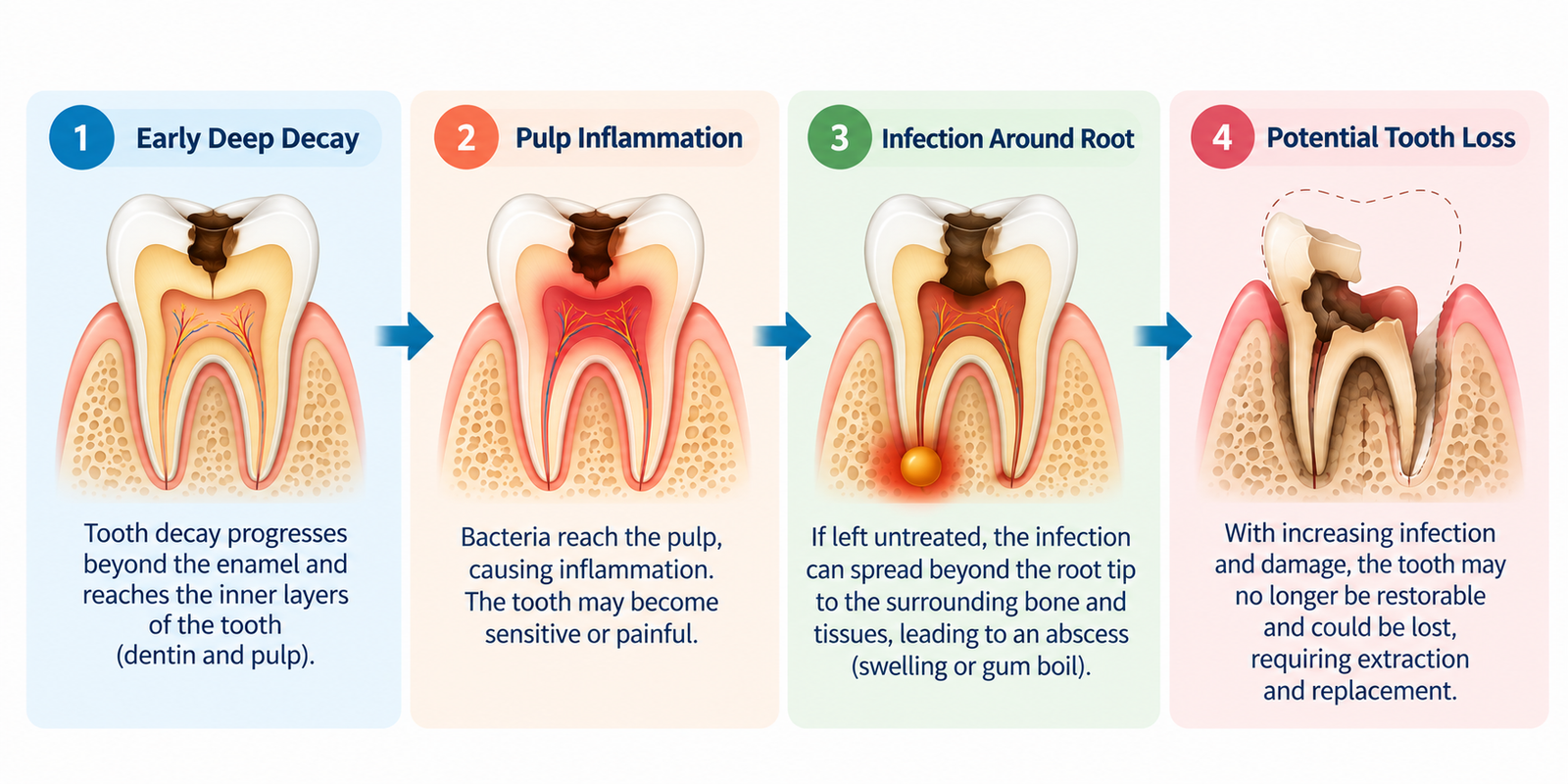
When an infected tooth is left untreated, the situation may become more complicated.
Depending on the condition of the tooth, infection may progress and lead to:
- Increasing pain
- Swelling
- Abscess formation
- Further destruction of tooth structure
- Greater difficulty in restoring the tooth
- Possible loss of the tooth
The longer-term outcome depends on the individual condition of the tooth and the surrounding tissues.
This is why persistent tooth pain, swelling or signs of infection should not simply be ignored.
Root canal treatment is often performed specifically to prevent the need for extraction by treating infection and preserving the natural tooth whenever that is clinically possible.
How Much Does Root Canal Treatment Cost in Gurgaon?
The cost of root canal treatment can vary depending on the tooth being treated and the complexity of the procedure.
One of the main reasons for price differences is that not all teeth have the same number or complexity of root canals.
For example:
Front Teeth
Front teeth often have a simpler root canal system.
Premolars
Premolars can have more complex anatomy and may require additional treatment time.
Molars
Molars usually have multiple roots and canals and can be more complex to treat.
Other factors that may affect the treatment cost include:
- Complexity of the root canal system
- Severity of infection
- Previous treatment on the tooth
- Need for retreatment
- Diagnostic requirements
- The type of final restoration required
Root Canal Treatment Cost: What Should You Ask?
When comparing treatment costs, it is useful to ask:
Does the price include the complete root canal treatment?
Are X-rays included?
Is a temporary or permanent restoration included?
Is the crown included separately?
Could additional treatment be required if the tooth is more complex than expected?
This helps you compare complete treatment plans rather than just one advertised price.
Does Root Canal Treatment Hurt?
This is probably the first question most people ask after being told they need a root canal.
The good news is that modern root canal treatment is generally performed under local anaesthesia, which numbs the tooth and surrounding area before treatment begins.
For most patients, the procedure itself should not be painful. You may feel some pressure, vibration or movement, but you should not be expected to simply tolerate significant pain during treatment. If you feel uncomfortable, tell your dentist so that the anaesthesia can be adjusted.
In fact, many people need a root canal because the tooth is already causing significant pain. The purpose of treatment is to remove the source of that pain and infection, rather than create more pain.
Why does root canal treatment have such a painful reputation?
The reputation largely comes from older dental experiences, before modern anaesthesia, techniques and equipment became widely available.
Today, the experience is generally much more comfortable. The American Association of Endodontists notes that modern root canal treatment is typically painless and that patients commonly report an experience similar to receiving a routine filling.
What You Should Know Before Your Root Canal Appointment
You do not need to be anxious about asking questions.
Before starting treatment, you can ask your dentist:
- Why does this tooth need a root canal?
- What did the X-ray show?
- Can the tooth be predictably saved?
- How many appointments might I need?
- What type of restoration will I need afterwards?
- Will I need a crown?
- What should I avoid after treatment?
- What is included in the treatment cost?
At Svaastha Dental we know that understanding the treatment plan beforehand can make the entire experience much more comfortable.
What Happens During a Root Canal Treatment?

Although the exact procedure varies depending on the tooth and clinical situation, root canal treatment generally follows a series of carefully planned steps.
Understanding these steps can make the treatment feel much less intimidating.
Step 1: Examination and Diagnosis
Before beginning treatment, your dentist will examine the tooth and may take dental X-rays or other diagnostic images.
The aim is to understand:
- Which tooth is causing the problem
- The extent of the infection or inflammation
- The shape and number of root canals
- The condition of the surrounding bone and tissues
- Whether the tooth can be predictably restored
A proper diagnosis is important because not every toothache requires a root canal.
Step 2: Local Anaesthesia
The area around the affected tooth is numbed with local anaesthesia.
You remain awake during the procedure, but the treatment area is made numb so that you can remain comfortable.
If you are particularly anxious about dental treatment, discuss this with your dentist before the procedure. Depending on the clinical setting, additional anxiety-management options may be available.
Step 3: Isolating the Tooth
The tooth is isolated from saliva and the surrounding mouth during treatment.
A dental dam may be used to keep the working area clean and dry.
This is an important part of maintaining a controlled treatment environment during root canal therapy.
Step 4: Creating Access to the Tooth
The dentist creates a small opening through the top of the tooth.
This allows access to the pulp chamber and root canals beneath it.
The opening is designed to provide adequate access for cleaning while preserving as much healthy tooth structure as possible.
Step 5: Removing the Infected or Inflamed Pulp
The damaged pulp tissue is carefully removed from inside the tooth.
This includes the tissue present within the pulp chamber and root canals.
Once the infected or inflamed tissue has been removed, the dentist can begin cleaning the internal canal system.
Step 6: Cleaning and Shaping the Root Canals
The root canals are cleaned and shaped using very small specialised instruments.
The aim is to remove remaining infected tissue and prepare the canals so they can be properly disinfected and sealed.
Depending on the tooth and treatment approach, modern techniques may include specialised rotary or reciprocating instruments and electronic measurements to help determine canal length.
Step 7: Disinfecting the Canals
The canals are cleaned and disinfected before they are sealed.
This stage is particularly important because root canals can have complex anatomy, including narrow or curved spaces that require careful cleaning.
The exact technique used depends on the tooth and the clinical situation.
Step 8: Filling and Sealing the Canals
Once the canals have been cleaned and prepared, they are filled with a biocompatible material, commonly gutta-percha, and sealed.
The objective is to prevent bacteria from re-entering the cleaned canal system.
Step 9: Restoring the Tooth
After the root canal has been completed, the tooth needs to be properly restored.
Depending on the amount of remaining tooth structure and the location of the tooth, this may involve a permanent filling, an onlay or a dental crown.
For many back teeth, a crown is commonly recommended because these teeth experience significant chewing forces. Whether a crown is needed should be decided based on the individual tooth rather than as a blanket rule.
How Long Does a Root Canal Treatment Take?
The duration of treatment depends on the tooth and the complexity of the case.
A straightforward root canal may take around 60–90 minutes, while more complex cases can take longer.
Factors that can influence treatment time include:
- Number of canals
- Shape and anatomy of the canals
- Severity of infection
- Presence of calcification
- Previous root canal treatment
- Whether additional procedures are required
A molar, for example, generally requires more attention than a straightforward front-tooth root canal because of its more complex canal anatomy.
Therefore, there is no single “standard” duration for every root canal.
Can a Root Canal Be Done in One Sitting?
Yes, in selected cases.
Many root canal treatments can be completed in one or two appointments, depending on the tooth and clinical circumstances.
However, single-sitting treatment is not automatically better than multi-visit treatment.
Your dentist may recommend multiple appointments when:
- There is significant infection
- An abscess is present
- The tooth has complex anatomy
- Additional medication inside the canals is required
- The tooth requires further evaluation before final sealing
- It is a retreatment case
The objective should always be appropriate treatment of the tooth, rather than simply completing the procedure in the fewest possible visits.
This is an important point for patients:
The right number of appointments depends on the condition of your tooth—not on a race to finish treatment.
What Is the Difference Between Single-Sitting and Multiple-Sitting Root Canal Treatment?
Patients sometimes assume:
“One sitting must be better.”
But treatment planning is more nuanced.
A single-visit root canal may be appropriate when the tooth can be adequately cleaned, shaped and sealed in the available appointment.
A multiple-visit approach may be selected when the clinical situation requires additional time or medication between appointments.
For example, a tooth with significant infection may require additional management before the canals are finally sealed.
The important factor is quality and appropriateness of treatment, rather than simply the number of visits.
What Happens After the Root Canal?
Once the treatment is complete, your mouth may remain numb for a few hours while the anaesthetic wears off.
The treated tooth may feel:
- Tender
- Slightly sensitive
- Different when biting
- Mildly sore for a few days
This is generally temporary.
The American Association of Endodontists notes that mild tenderness after treatment is common while the surrounding tissues heal.
How Long Does Pain Last After a Root Canal?
Mild soreness or tenderness for a few days can be normal.
In many patients, discomfort gradually improves over the first few days.
However, severe pain, increasing swelling or symptoms that do not improve should not simply be ignored.
Contact your dentist if:
- Pain is severe
- Pain is getting worse rather than better
- Swelling develops
- Your bite feels unusually high or uneven
- Previous symptoms return
- You develop any other concerning symptoms
The AAE specifically recommends contacting your dental provider for severe pain or pressure lasting beyond the expected recovery period, visible swelling or a return of the symptoms that existed before treatment.
What Can You Eat After a Root Canal?
This is another very practical question patients often have.
Immediately after treatment, it is sensible to wait until the local anaesthetic has worn off before eating, because numbness can make it easier to accidentally bite your cheek, tongue or lip.
If the tooth has a temporary restoration or has not yet received its final restoration, your dentist may advise you to avoid putting heavy chewing forces on that tooth.
For the first few days, softer foods may be more comfortable if the area feels tender.
Examples include:
- Soft rice
- Dal
- Yogurt
- Khichdi
- Eggs
- Soft vegetables
- Pasta
- Soft breads
You should follow the specific instructions given by your dentist, particularly if a temporary filling or temporary crown has been placed.
Can You Go to Work After a Root Canal?
For many people, yes.
Root canal treatment is generally an outpatient procedure, and some patients are comfortable returning to their normal routine the same day.
However, your experience can depend on:
- Length of the procedure
- Complexity of treatment
- Number of teeth treated
- Your personal comfort level
- Whether additional procedures were performed
If your mouth is still numb, avoid eating until normal sensation returns.
If you have had sedation or another procedure in addition to the root canal, your dentist may give you different instructions.
What Should You Avoid After Root Canal Treatment?
Until the tooth has received its final restoration, be cautious about putting heavy chewing forces on it.
In particular, avoid:
- Biting hard foods directly on the treated tooth
- Chewing ice
- Very hard nuts or candies
- Using the tooth to open or tear objects
A tooth that has undergone root canal treatment may need additional structural protection, especially when substantial tooth structure has been lost.
The AAE recommends avoiding chewing on the treated tooth until it has been fully restored.
When Should You Contact Your Dentist After a Root Canal?
Most patients recover without major problems, but certain symptoms deserve attention.
Contact your dentist if you experience:
- Severe or increasing pain
- Significant swelling
- A return of the original symptoms
- An uneven bite
- A temporary filling or crown coming out
- Any reaction to prescribed medication
These symptoms do not automatically mean the root canal has failed. They simply mean that the tooth should be assessed.
The AAE recommends contacting the treating clinician if severe pain or pressure persists, swelling develops or symptoms that existed before treatment return.
Does Every Root Canal-Treated Tooth Need a Crown?
One of the most common questions patients ask after a root canal is:
“If the infection has been removed, why do I need a crown?”
The answer depends on the tooth, how much natural tooth structure remains, and the forces that tooth has to withstand.
A root canal removes infected or inflamed pulp from inside the tooth, but the tooth may already have lost a significant amount of structure because of decay, cracks, previous fillings, or the treatment itself.
A dental crown can help protect a weakened tooth from further damage, particularly when the tooth is exposed to heavy chewing forces.
When is a crown usually recommended?
A crown is commonly considered when:
- A molar or premolar has undergone root canal treatment
- A large amount of tooth structure has been lost
- The tooth has a large existing filling
- The tooth is at increased risk of fracture
- The tooth needs additional structural protection during chewing
Front teeth may not always require a full crown. Depending on how much natural tooth remains and the type of restoration required, a dentist may recommend another suitable restoration.
The important point is that there is no single restoration that is appropriate for every root canal-treated tooth.
The final restoration should be decided after assessing the remaining tooth structure and bite.
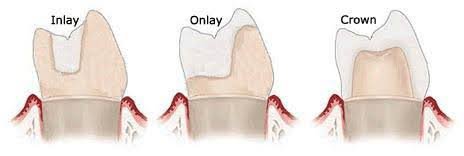
Why Is Protecting the Tooth After Root Canal So Important?
A successful root canal treats the infection inside the tooth. But treatment does not mean the tooth becomes indestructible.
The tooth still needs to function under everyday biting and chewing forces.
If a tooth has lost substantial structure, placing a suitable restoration can help reduce the risk of fracture and restore its function.
This is why the final restoration is an important part of root canal treatment—not simply an optional cosmetic step.
What happens if I delay the crown after root canal?
Leaving a weakened tooth without its final restoration for too long may increase the risk of:
- Tooth fracture
- Further loss of tooth structure
- Leakage around the temporary restoration
- Food getting trapped around the tooth
- Recurrent decay
- In some cases, loss of the tooth
The timing depends on the individual case, so your dentist should tell you how soon the tooth needs its permanent restoration.
Root Canal vs Tooth Extraction: Which Is Better?
When a tooth is badly damaged or infected, patients are sometimes given two options:
Save the tooth with root canal treatment
or
Remove the tooth with extraction.
Whenever a tooth can be predictably restored, preserving the natural tooth is generally worth considering.
A natural tooth maintains its position in the dental arch and continues to participate in normal chewing.
Extraction, on the other hand, removes the tooth completely. If the tooth is important for function, the space may eventually need to be replaced with an implant, bridge, or another prosthetic option.
Root canal vs extraction
| Root Canal Treatment | Tooth Extraction |
|---|---|
| Attempts to preserve the natural tooth | Removes the natural tooth |
| Maintains the existing tooth position | Leaves a space that may need replacement |
| Usually followed by a suitable restoration | May require implant, bridge or denture |
| Treatment may require one or more visits | Extraction itself is generally a shorter procedure |
| Preserves natural tooth structure that can still be restored | Appropriate when the tooth cannot be predictably saved |
The right decision depends on factors such as:
- Amount of remaining tooth structure
- Severity of infection
- Presence of cracks or fractures
- Gum and bone support
- Ability to restore the tooth
- Overall dental condition
- Long-term prognosis
Is extraction always easier than root canal?
Not necessarily.
Extraction may be quicker as a procedure, but removing a tooth does not always mean the treatment journey is over.
If the missing tooth needs replacement, the overall treatment may involve additional procedures, healing time, and costs.
For a restorable tooth, saving the natural tooth can therefore be an important option to discuss before choosing extraction.
What Happens If a Tooth Cannot Be Saved?
Sometimes a tooth is too badly damaged to have a predictable long-term outcome.
Extraction may be recommended when there is:
- Extensive structural damage
- A tooth fracture that extends below the gum or into the root
- Severe loss of supporting bone
- An unrestorable tooth
- Repeated treatment failure with a poor prognosis
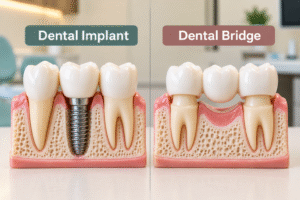
If extraction becomes necessary, your dentist can discuss tooth-replacement options.
These may include:
- Dental implant
- Dental bridge
- Removable partial denture
- Other appropriate restorative options
How Long Does a Root Canal-Treated Tooth Last?
There is no guaranteed number of years for every root canal-treated tooth.
A successfully treated and properly restored tooth can remain functional for many years, and some can last for decades.
Its long-term survival depends on factors such as:
- Quality of the root canal treatment
- Amount of remaining natural tooth
- Quality of the final restoration
- Oral hygiene
- Gum health
- Bite forces
- Presence of grinding or clenching
- New decay around the tooth
- Trauma or fracture
This is why root canal treatment and the final restoration should be viewed as part of one overall treatment plan.
Can a root canal-treated tooth get infected again?
Yes.
Although root canal treatment is intended to eliminate infection and seal the root canal system, a previously treated tooth can sometimes develop persistent or recurrent disease.
Possible reasons include:
- Complex or missed canals
- Incomplete cleaning
- Leakage around the restoration
- New decay
- Fracture
- Persistent infection
- Problems developing around the root
A tooth that becomes painful or develops swelling after previous root canal treatment should be examined rather than assuming that the treatment has permanently failed.
What Is Root Canal Retreatment?
If a previously root canal-treated tooth develops a new or persistent problem, root canal retreatment, sometimes called re-root canal treatment, may be considered.
During retreatment, the dentist accesses the existing root canal filling, removes the previous material, evaluates and cleans the canal system again, and then seals it once more.
Retreatment is not appropriate for every tooth.
The decision depends on:
- Why the original treatment failed
- Whether the tooth can be restored
- The condition of the root and surrounding bone
- Presence of cracks or fractures
- The overall prognosis
In selected cases, other endodontic procedures may also be considered.
Can a Root Canal Fail?
Yes, although root canal treatment has a high success rate when the tooth is appropriately selected and treated properly.
Failure does not necessarily mean that the tooth must be extracted.
Depending on the situation, treatment options may include:
- Monitoring the tooth
- Root canal retreatment
- Surgical endodontic treatment
- Extraction
The correct option requires a clinical examination and appropriate imaging.
What symptoms should I watch for after root canal treatment?
Contact your dentist if you develop:
- Increasing rather than decreasing pain
- Significant swelling
- A recurring gum boil or pus discharge
- Pain that persists or returns after initially improving
- A broken or loose restoration
- Difficulty biting that does not settle
- Fever or feeling generally unwell
These symptoms do not automatically mean that the root canal has failed, but they deserve professional evaluation.
Common Root Canal Myths
Myth 1: “Root canal treatment is extremely painful.”
Reality: Modern root canal treatment is performed under local anaesthesia. Most patients should not experience significant pain during the procedure.
The tooth may remain tender for a few days afterward, particularly if there was significant infection or inflammation before treatment.
Myth 2: “It is better to extract the tooth than have a root canal.”
Reality: If a tooth is restorable, preserving the natural tooth can have important functional advantages.
Extraction may be the appropriate choice for an unrestorable or severely compromised tooth, but it should not automatically be considered a better alternative.
Myth 3: “Root canal treatment removes the whole tooth.”
Reality: The natural tooth remains in place.
The infected or inflamed pulp tissue inside the tooth is removed, the canals are cleaned and sealed, and the tooth is restored.
Myth 4: “A root canal-treated tooth can never get infected again.”
Reality: A previously treated tooth can occasionally develop recurrent or persistent disease.
Good restoration, oral hygiene, regular dental examinations, and timely management of problems can help protect the tooth.
Myth 5: “If the pain disappears, I don’t need treatment.”
Reality: Pain disappearing does not always mean that the underlying problem has resolved.
In some cases, the nerve inside the tooth can die, causing pain to decrease even while infection continues.
That is why symptoms need to be interpreted along with a clinical examination and dental X-rays or other appropriate imaging.
Frequently Asked Questions About Root Canal Treatment
1. Is root canal treatment painful?
Root canal treatment is performed under local anaesthesia, so significant pain during the procedure is generally not expected.
Some tenderness or discomfort may occur afterward and usually settles as the tissues around the tooth recover.
2. How long does a root canal take?
The duration depends on the tooth and complexity of the case.
A straightforward case may be completed in one appointment, while more complicated teeth may require additional visits.
Molars generally require more careful treatment because they often have multiple canals and more complex anatomy.
3. Can a root canal be completed in one sitting?
Yes, some cases can be completed in a single appointment.
However, one sitting is not automatically better than multiple sittings.
The number of visits depends on factors such as infection, anatomy, drainage, treatment complexity, and the dentist’s clinical judgement.
4. How many visits are required for root canal treatment?
There is no fixed number of visits for every patient.
Some teeth can be treated in one visit, while others may require two or more appointments.
Your dentist can give you a better estimate after examining the tooth and assessing the X-ray or CBCT when indicated.
5. How long does pain last after a root canal?
Mild soreness or tenderness can occur after treatment.
It generally improves gradually. If pain becomes severe, continues to worsen, or is accompanied by significant swelling, you should contact your dentist.
6. Can I eat normally after a root canal?
You can generally eat after the procedure once the effect of local anaesthesia has worn off.
However, avoid chewing hard or sticky foods on a tooth that has only a temporary restoration until your dentist advises that it is safe.
If the tooth requires a crown or other permanent restoration, completing that restoration is important.
7. Can I go to work after root canal treatment?
Many people can return to their normal activities after root canal treatment.
However, this depends on the complexity of treatment, your comfort level, and whether additional procedures were performed.
8. Do I need a crown after root canal treatment?
Not every root canal-treated tooth requires the same type of restoration.
Back teeth that have lost substantial tooth structure commonly require stronger cuspal protection, often with a crown or another suitable restoration.
The decision depends on how much healthy tooth remains and how the tooth functions.
9. Is root canal better than extraction?
If the tooth is restorable, preserving it may be preferable to removing it.
However, extraction can be the appropriate treatment when the tooth has an unfavorable prognosis or cannot be predictably restored.
A dentist should evaluate the tooth before deciding.
10. What happens if I delay root canal treatment?
Delaying treatment can allow infection or structural damage to progress.
Depending on the underlying problem, this can result in increasing pain, swelling, bone loss, or eventually a tooth that can no longer be saved.
11. Can a root canal-treated tooth get cavities again?
Yes.
The natural tooth is still susceptible to decay after root canal treatment.
Good brushing, flossing, regular dental check-ups, and a well-sealed final restoration remain important.
12. Can I have a root canal during pregnancy?
Dental treatment decisions during pregnancy should be discussed with your dentist and, where appropriate, your obstetrician.
Necessary dental treatment should not simply be ignored because you are pregnant. Your dental team can determine the safest approach based on your individual situation and stage of pregnancy.
13. Is a root canal possible if there is swelling?
Sometimes, yes.
The appropriate treatment depends on the source and extent of infection. Your dentist may first need to control drainage or infection and then complete the root canal treatment.
If you have facial swelling, fever, difficulty swallowing, or difficulty breathing, seek urgent dental or medical care.
14. Can a root canal-treated tooth turn dark?
A tooth can sometimes become darker after the pulp has been removed, particularly if the tooth has undergone trauma or internal changes.
If discoloration is noticeable, your dentist can assess the cause and discuss appropriate options, which may include internal or external tooth whitening or restorative treatment depending on the case.
15. What if my root canal-treated tooth still hurts?
Persistent pain does not automatically mean that the root canal has failed.
The tooth may need to be evaluated for:
- Persistent infection
- Missed or untreated canal anatomy
- Bite-related problems
- Cracks or fractures
- Problems with the restoration
- A different source of pain
A clinical examination and appropriate imaging can help determine the cause.
16. Can a root canal be done without a crown?
In selected cases, yes.
Whether a crown is necessary depends on the tooth, remaining tooth structure, location, functional forces, and type of restoration required.
Your dentist should assess the individual tooth rather than recommending the same restoration for every patient.
Should I Save My Tooth or Get an Implant?
This is an important question when a tooth has extensive damage.
If the natural tooth can be predictably restored, saving it with root canal treatment may be an excellent option.
If the tooth cannot be saved, extraction followed by replacement—such as a dental implant—may be considered.
The decision should be based on the long-term prognosis of the natural tooth, rather than simply comparing the price or duration of the two procedures.
When Should You See a Dentist for a Possible Root Canal?

You should arrange a dental examination if you have:
- Persistent toothache
- Severe pain when biting
- Prolonged sensitivity to hot or cold
- Swelling around a tooth
- A recurring gum boil
- Deep decay
- A cracked or broken tooth
- Tooth discoloration following trauma
- Pain that keeps returning
Do not wait for severe pain before getting a tooth examined.
Some teeth requiring root canal treatment may produce surprisingly few symptoms, particularly when the nerve has already become non-vital.
The Bottom Line
Root canal treatment is a tooth-saving procedure designed to remove infection or inflammation from inside a tooth and preserve the natural tooth whenever possible.
The most important things to remember are:
- A root canal does not necessarily mean a painful experience.
- Early diagnosis can help prevent a dental problem from becoming more complicated.
- Some root canals can be completed in one visit, while others require multiple appointments.
- The final restoration is an important part of protecting the treated tooth.
- A root canal-treated tooth can remain functional for many years with appropriate care.
- Persistent symptoms after treatment should be evaluated rather than ignored.
- If a tooth cannot be saved, extraction and tooth replacement can be discussed.
The best treatment is not necessarily the quickest or cheapest option—it is the one that gives the tooth the most predictable long-term outcome.
About the Author

Dr. Arjita Sood is a dentist and the founder of Svaastha Dental Clinic & Implant Center in Sector 23, Gurgaon, with 19+ years of experience in dentistry.
Her approach focuses on comprehensive dental care, evidence-based treatment planning, patient education, and preserving natural teeth whenever clinically possible.
At Svaastha Dental Clinic, the philosophy is simple:
“Care in an Environment of Excellence.”
Need a Root Canal? Get Your Tooth Evaluated
If you have persistent tooth pain, sensitivity, swelling, deep decay, or a broken tooth, don’t wait for the symptoms to become severe.
An examination can help determine whether the tooth needs:
- A filling
- Root canal treatment
- A crown or other restoration
- Treatment for gum-related problems
- Or, in some cases, extraction and tooth replacement
Book a consultation at Svaastha Dental Clinic & Implant Center, Sector 23, Gurgaon, to understand the condition of your tooth and the treatment options available.