
Keeping your clear aligners clean is one of the easiest ways to protect your smile during orthodontic treatment. If you’ve been wondering how to clean clear aligners, you’re not alone. It’s one of the most common questions patients ask after starting treatment.
Learning how to clean clear aligners properly helps prevent stains, bad breath, bacterial buildup, and cloudy trays. Whether you’re wearing Invisalign® or another brand of clear aligners, following the right cleaning routine keeps your aligners clear, comfortable, and hygienic throughout your treatment.
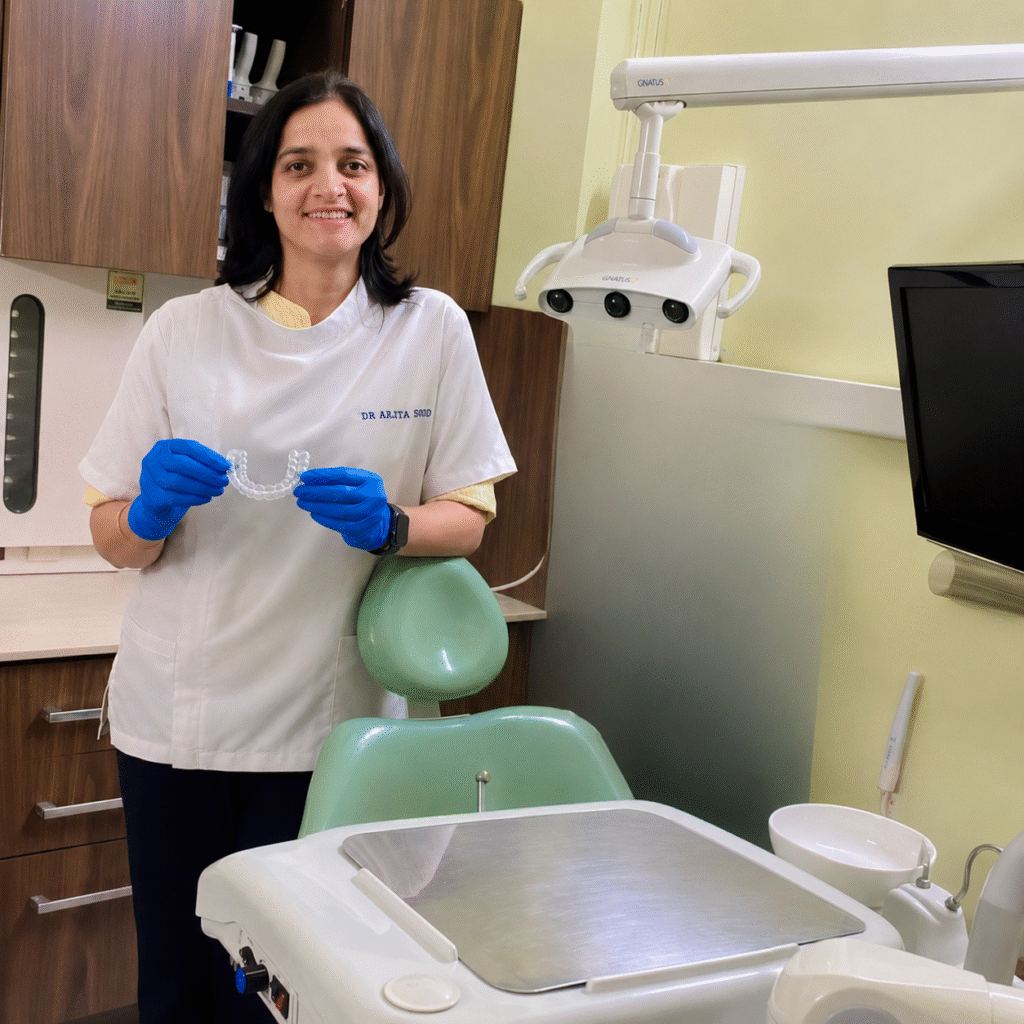
If you’re considering clear aligner treatment in Gurgaon, understanding how to care for your aligners is just as important as knowing how they straighten your teeth. Proper maintenance not only protects your oral health but also helps your aligners stay virtually invisible.
In This Guide, You’ll Learn
- How to clean clear aligners correctly every day
- The best commercial aligner cleaning products
- Safe home remedies that actually work
- Cleaning mistakes that can damage your aligners
- How to remove stains and bad odours
- Tips to keep your aligners crystal clear throughout treatment
Quick Answer
The best way to clean clear aligners is to rinse them every time you remove them, gently brush them with a soft toothbrush and normal water, and soak them daily in an aligner or retainer cleaning solution. Avoid hot water, regular toothpaste, coloured mouthwash, and harsh household cleaners, as these can damage the plastic and reduce the clarity of your aligners.
Key Takeaways
- Clean your aligners every morning and every night.
- Rinse them every time you remove them.
- Never use hot water.
- Avoid regular toothpaste because it can scratch the plastic.
- Use an aligner cleaner for deep cleaning.
- Safe home remedies can work when used correctly.
- Clean aligners are more comfortable, more hygienic, and remain clearer for longer.
Why Is It Important to Clean Clear Aligners?
Clear aligners fit closely over your teeth for 20 to 22 hours every day. This creates a warm, moist environment where saliva, bacteria, and plaque can build up if the aligners aren’t cleaned regularly.
Unlike removable retainers that are worn only at night, aligners stay in your mouth for most of the day. Without proper cleaning, bacteria remain trapped between your teeth and the aligners, increasing the risk of bad breath, plaque buildup, and gum irritation. American Association of Orthodontists also recommends regular cleaning of Aligners for effective treatment.
Dirty aligners can also become cloudy or yellow, making them much more noticeable when you smile.
Cleaning your aligners daily helps:
- Reduce bacterial buildup
- Prevent unpleasant odours
- Keep the trays transparent
- Improve overall oral hygiene
- Make wearing aligners more comfortable
- Reduce the risk of cavities and gum inflammation
Although each set of aligners is replaced every one to two weeks, they still need proper care throughout their use.
Why Do Clear Aligners Become Yellow or Cloudy?
Many patients think the plastic itself changes colour over time. In reality, the most common causes of yellow or cloudy aligners are everyday habits.
These include:
- Drinking tea or coffee while wearing aligners
- Smoking or vaping
- Eating with aligners in place
- Not brushing after meals
- Letting saliva dry on the trays
- Using coloured mouthwash
- Cleaning aligners with abrasive toothpaste
- Inconsistent cleaning
The good news is that most of these problems are completely preventable with the right cleaning routine.
Dr. Arjita Sood’s Clinical Insight
Over nearly two decades of clinical practice, one of the most common reasons patients complain about “yellow aligners” isn’t permanent staining—it’s simply dried saliva proteins and plaque that haven’t been cleaned off regularly. Patients who rinse their aligners every time they remove them and follow a consistent cleaning routine usually find that their trays remain much clearer throughout the week.
How Often Should You Clean Clear Aligners?
A common misconception is that aligners only need to be cleaned once a day.
In reality, you should clean them every time they are removed from your mouth.
A simple routine includes:
- Rinsing your aligners whenever you take them out
- Brushing them gently twice a day
- Soaking them once daily using an aligner cleaning solution or a safe alternative
- Brushing and flossing your teeth before putting the aligners back in. Good oral hygiene is just as important as keeping your aligners clean. The American Dental Association recommends brushing twice daily and cleaning between your teeth every day.
This routine takes only a few minutes but can significantly improve both the appearance of your aligners and your oral health.
The Best Daily Routine to Clean Clear Aligners
Following the same routine every day is the easiest way to keep your aligners clean, fresh, and transparent.
Step 1: Rinse Immediately After Removing Them
Every time you remove your aligners, rinse them under Normal running water.
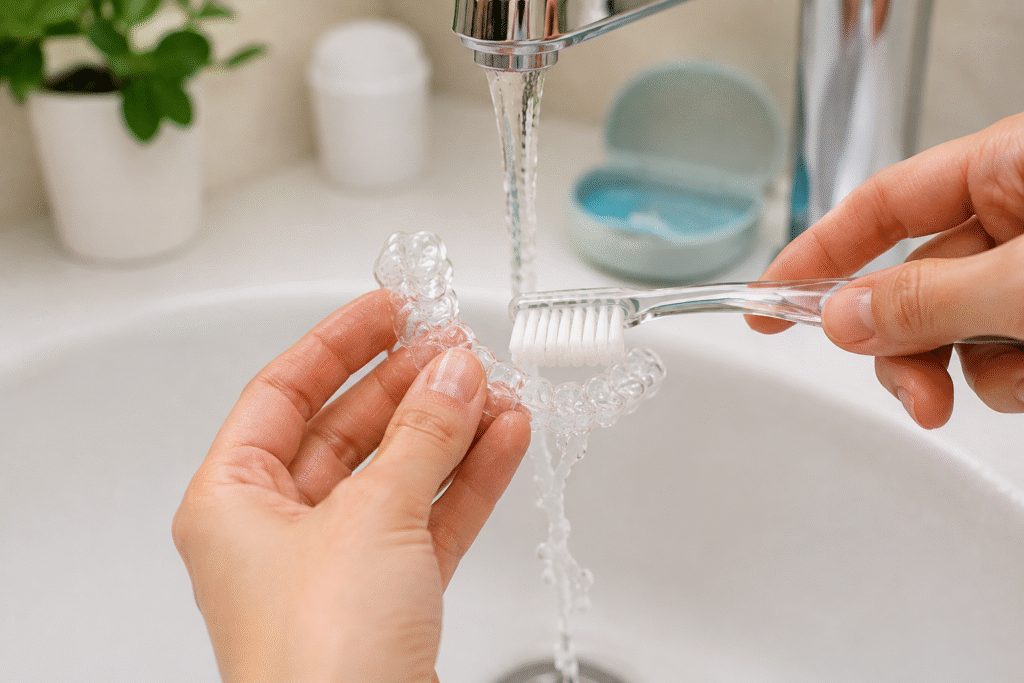
This prevents saliva from drying onto the plastic and forming the white, cloudy film that many patients notice after a few days.
Never use hot water because heat can warp the plastic and affect how accurately your aligners fit.
Step 2: Brush Your Aligners Gently
Use:
- A soft-bristled toothbrush
- Normal water
- Gentle circular motions
Avoid scrubbing aggressively, as excessive force can create tiny scratches on the surface.
Step 3: Soak Your Aligners Every Day
Brushing removes surface debris, but soaking helps dissolve bacteria, plaque, and protein deposits that brushing alone may leave behind.
Several commercial cleaning products are available, and there are also safe home remedies if you don’t have a dedicated aligner cleaner.
In the next section, we’ll compare the best commercial aligner cleaners, discuss effective home remedies, and explain which cleaning methods you should avoid.
New to Clear Aligners?
If you’ve only recently started treatment, it’s helpful to first understand how clear aligners straighten teeth and why they need to fit your teeth precisely throughout treatment.
Best Ways to Clean Clear Aligners: Commercial Cleaners vs Home Remedies
If you’re wondering how to clean clear aligners effectively, you’ll come across two main options:
- Commercial aligner cleaning products
- Simple home remedies
Both can help keep your aligners clean, but they don’t work equally well. Commercial cleaners are specifically designed to remove bacteria and plaque without damaging the plastic, while home remedies can be useful when you don’t have a dedicated cleaner available. Clinical research has shown that dedicated cleaning methods are more effective at reducing bacterial buildup on removable orthodontic appliances than rinsing with water alone.
Commercial vs Home Cleaning Methods
| Cleaning Method | Best For | Pros | Limitations |
|---|---|---|---|
| Retainer Brite® | Daily deep cleaning | Removes plaque, bacteria and odours | Additional cost |
| Invisalign® Cleaning Crystals | Invisalign users | Designed specifically for aligners | More expensive than other options |
| Polident® Retainer Cleanser | Occasional deep cleaning | Effective at removing stains | Choose products meant for retainers, not dentures |
| Mild clear liquid soap | Daily surface cleaning | Easily available | Doesn’t remove stubborn deposits |
| White vinegar solution | Removing cloudy mineral deposits | Inexpensive | Strong smell, use occasionally |
| Baking soda solution | Freshening aligners | Gentle deodoriser | Less effective against plaque |
Best Commercial Cleaners for Clear Aligners
If you wear aligners every day, a dedicated aligner cleaner is the easiest and most reliable way to keep them fresh.
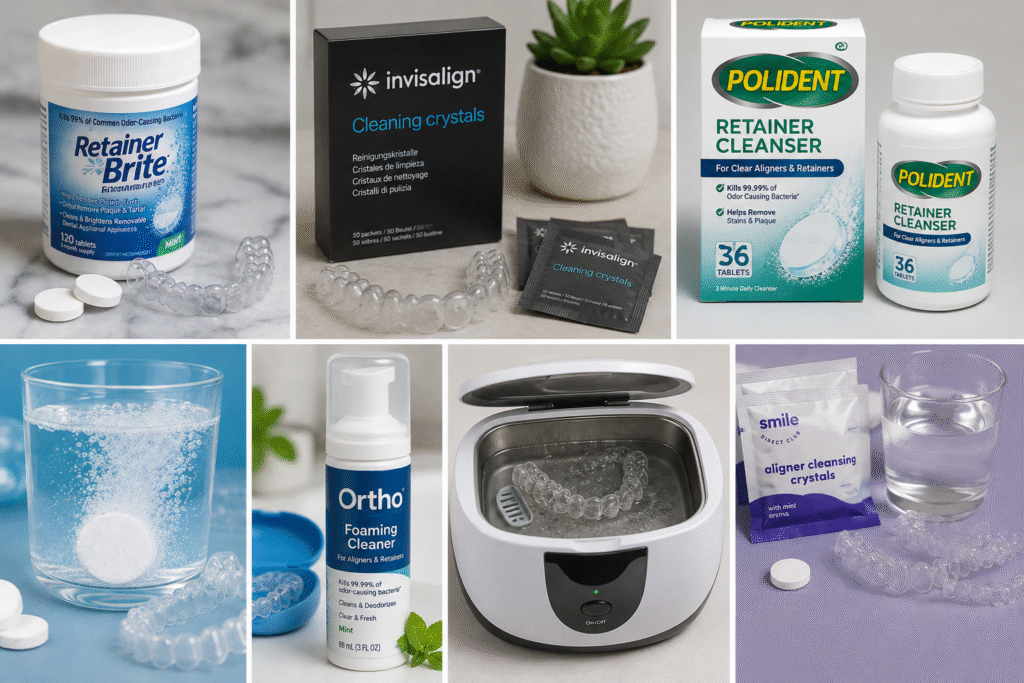
Retainer Brite®
One of the most commonly recommended cleaning tablets for aligners and retainers.
Best for:
- Daily cleaning
- Removing odours
- Preventing plaque buildup
Invisalign® Cleaning Crystals
These cleaning crystals are specifically formulated for Invisalign aligners and help maintain their clarity without scratching the plastic.
Best for:
- Invisalign users
- Regular maintenance
- Keeping aligners clear
Polident® Retainer Cleanser
Unlike regular denture cleaners, the retainer version is designed for removable orthodontic appliances and can help remove surface stains and plaque.
Always follow the manufacturer’s instructions and avoid soaking aligners longer than recommended.
Dr. Arjita Sood’s Clinical Tip: In our practice, patients who use a dedicated aligner cleaner a few times a week usually notice less staining and fewer unpleasant odours than those who rely only on brushing with water.
Safe Home Remedies to Clean Clear Aligners
Don’t have an aligner cleaner at home? These alternatives can help until you get one.
1. Mild Clear Liquid Soap
A few drops of clear, fragrance-free liquid soap with a soft toothbrush can remove saliva and surface deposits.
Rinse thoroughly before wearing your aligners again.
2. White Vinegar Solution
Mix equal parts white vinegar and water.
Soak the aligners for 15–20 minutes, then brush gently with a soft toothbrush and rinse well.
This method works well for removing the white, cloudy film caused by mineral deposits.
3. Baking Soda Solution
Mix one teaspoon of baking soda in one cup of water and soak the aligners for about 20 minutes.
This may help reduce odour, but it isn’t as effective as commercial cleaning tablets for removing plaque.
What Should You Never Use to Clean Clear Aligners?
Some cleaning methods can permanently damage your aligners, making them cloudy, scratched or misshapen.
Avoid using:
- Regular toothpaste
- Hot or boiling water
- Bleach
- Alcohol-based cleaners
- Coloured mouthwash
- Harsh household detergents
- Abrasive brushes or scrub pads
If you’re unsure whether a product is safe, it’s best to avoid it unless it’s specifically labelled for clear aligners or retainers.
Can You Use an Ultrasonic Cleaner?
Yes. Ultrasonic cleaners use high-frequency vibrations to loosen plaque and debris from hard-to-reach areas without scratching the aligners.
While they’re not essential, they can be a useful investment if you:
- Wear aligners full-time
- Have several attachments
- Notice frequent plaque buildup
- Want a more thorough cleaning routine
Remember, an ultrasonic cleaner is an addition to your cleaning routine—not a replacement for rinsing and brushing your aligners.
How to Get Rid of Bad Smells from Clear Aligners
If your aligners have an unpleasant smell, bacteria are usually the cause.
To keep them fresh:
- Clean them every morning and night.
- Soak them regularly using an aligner cleaner.
- Brush and floss before putting them back in.
- Store them only in a clean, dry aligner case when not in use.
If the smell persists despite proper cleaning, mention it to your dentist at your next appointment.
Common Mistakes That Can Damage Your Clear Aligners
Even patients who clean their aligners regularly can accidentally shorten their lifespan by making a few common mistakes.
Avoid these habits:
- Wrapping aligners in a tissue, where they can easily be thrown away.
- Leaving them exposed instead of storing them in a clean case.
- Drinking tea, coffee, soft drinks, or alcohol while wearing them.
- Using sharp objects to remove food stuck inside the trays.
- Skipping cleaning because you’re changing to a new aligner in a few days.
Small daily habits can make a big difference in keeping your aligners clear, hygienic, and comfortable throughout treatment.
How to Clean Clear Aligners While Travelling
Travelling doesn’t mean your aligner hygiene has to suffer.
Keep these essentials with you:
- Your aligner case
- A travel toothbrush
- A small tube of toothpaste for your teeth
- A few aligner cleaning tablets
- A reusable water bottle
If you can’t clean your aligners immediately after eating, rinse them with clean water and store them in their case. Brush both your teeth and aligners as soon as possible.
Dr. Arjita Sood’s Clinical Tip: We often advise patients who travel frequently to carry a few cleaning tablets in their luggage. They’re lightweight, easy to use, and help keep aligners fresh even during long trips.
When Should You Replace Your Clear Aligners?
Most clear aligners are designed to be worn for 1–2 weeks, depending on your treatment plan.
You should contact your dentist if your aligners:
- Develop cracks or chips
- No longer fit properly
- Become permanently stained despite cleaning
- Are lost or damaged
Continuing to wear damaged aligners can affect how your teeth move and may delay treatment.
Frequently Asked Questions
Can I use toothpaste to clean clear aligners?
No. Most toothpastes contain mild abrasives that can create tiny scratches on the aligners. These scratches make the trays appear cloudy and allow stains and bacteria to accumulate more easily.
Can I soak my aligners overnight?
Only if the cleaning product specifically recommends it. Most aligner cleaning tablets are designed for shorter soaking times. Leaving aligners in a cleaning solution for too long may not provide additional benefits.
Can I use mouthwash to clean my aligners?
It’s best not to. Many mouthwashes contain alcohol or artificial colours that can stain or damage the plastic. Use a cleaner specifically designed for aligners or retainers instead.
Why do my aligners smell bad?
Bad odours are usually caused by bacteria, plaque, or food particles trapped between the aligners and your teeth. Regular cleaning and brushing before reinserting your aligners usually solves the problem.
How often should I deep clean my aligners?
A daily soak with an aligner cleaning solution is ideal for most patients. It helps remove deposits that brushing alone may not reach.
Can cloudy aligners become clear again?
If the cloudiness is caused by dried saliva or mineral deposits, proper cleaning can often restore their appearance. However, scratches caused by abrasive toothpaste or harsh cleaning methods are usually permanent.
Final Thoughts
Knowing how to clean clear aligners is an important part of successful treatment. Clean aligners not only look better but also help maintain good oral hygiene, reduce bad breath, and keep your treatment as comfortable as possible.
By following a simple daily routine, using the right cleaning products, and avoiding common mistakes, you can keep your aligners clear from the first tray to the last. A recent systematic review found that regular cleaning and disinfection help maintain the clarity and hygiene of clear aligners throughout treatment.
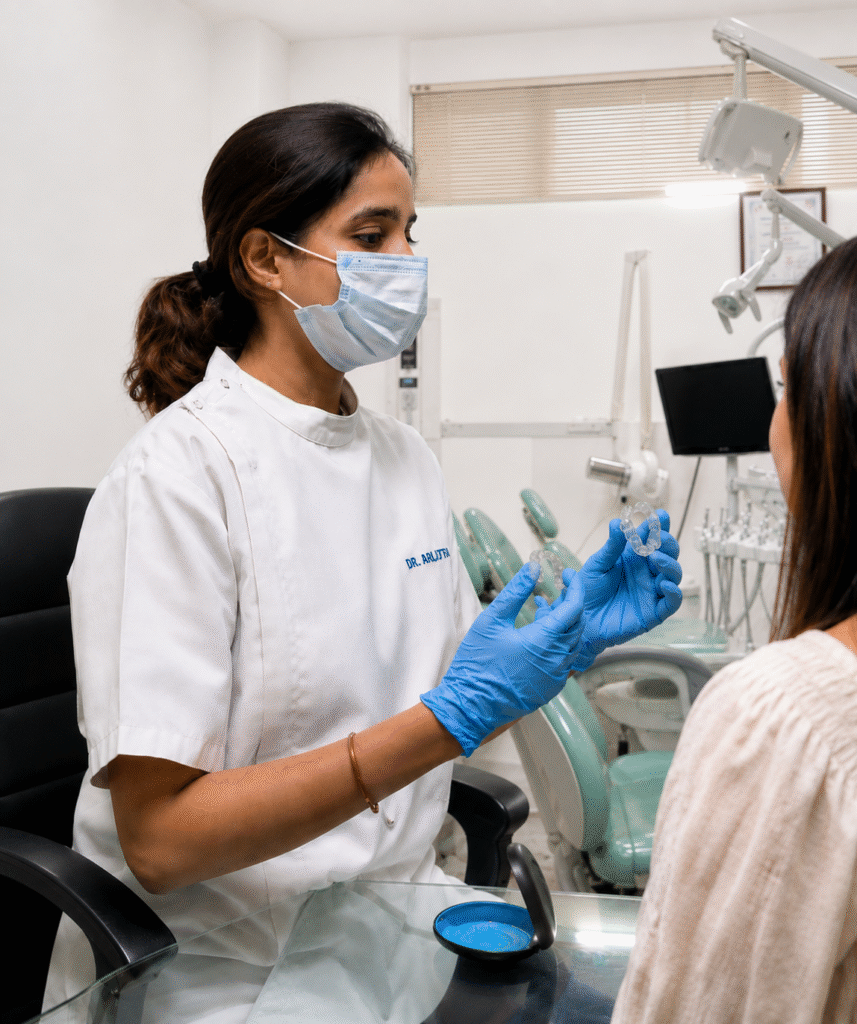
Many patients also wonder whether discomfort is normal when changing to a new set of aligners. Read our guide on do clear aligners hurt to understand what to expect during treatment and when you should contact your dentist.
Conclusion
If you’re planning to start clear aligner treatment or have questions about caring for your aligners, your dentist can guide you on the cleaning routine that’s best suited for your treatment.
At Svaastha Dental Clinic & Implant Center, Dr. Arjita Sood combines nearly two decades of clinical experience with evidence-based orthodontic care to help patients achieve healthier, more confident smiles. From choosing the right aligner system to teaching you how to care for it, our goal is to make your treatment simple, comfortable, and successful.
If you’re looking for clear aligner treatment in Gurgaon, we’d be happy to answer your questions and help you decide whether clear aligners are the right option for you.
References
- American Association of Orthodontists – Aligner Care
- American Dental Association – Oral Hygiene Guidance
- Indian Dental Association – Oral Health Resources
- PubMed – Research on biofilm formation on removable orthodontic appliances