
“How painful are clear aligners?” and “How to manage pain during treatment?”
If you’re thinking about straightening your teeth with clear aligners, these questions are almost impossible to ignore:
It’s a completely natural concern. After all, if your teeth are going to move, it’s reasonable to wonder whether the process will be painful.
The good news is that most people don’t experience pain in the way they expect. Instead, they usually notice a feeling of tightness or gentle pressure for a day or two after starting a new set of aligners. That pressure is actually a sign that the aligners are doing their job.
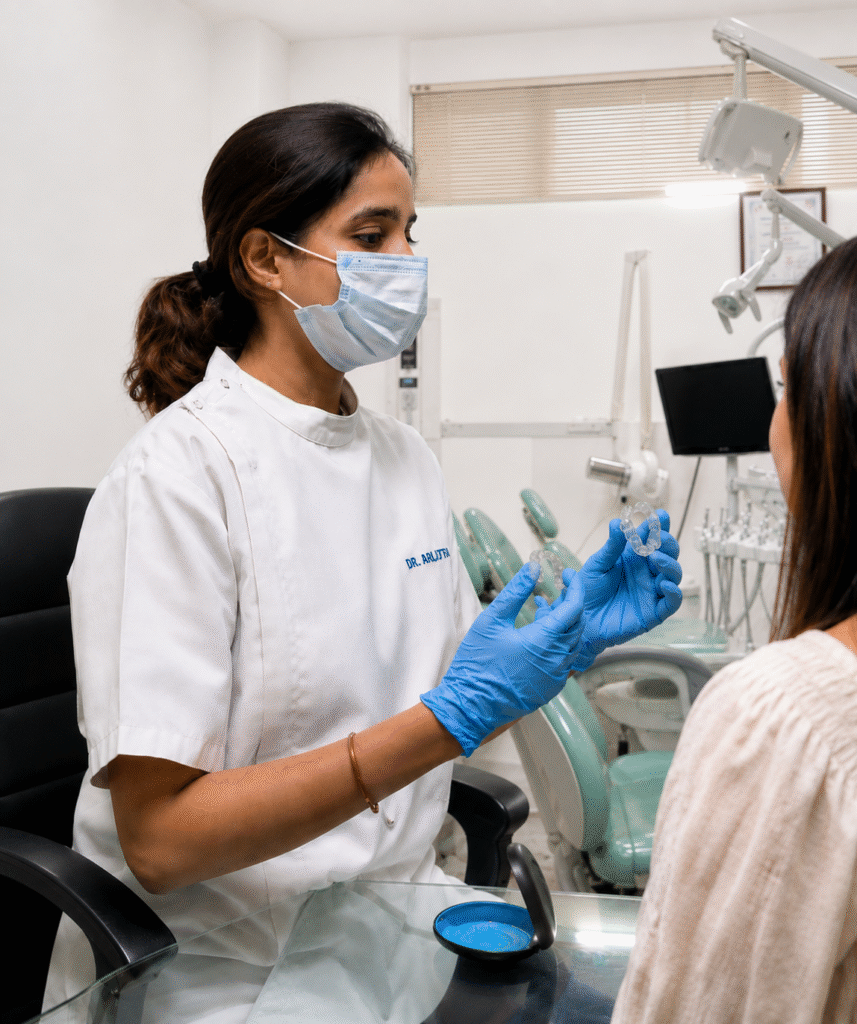
Most patients describe it as feeling like they’ve bitten into something hard or have slight tenderness when chewing. It’s noticeable, but rarely enough to stop them from going to work, attending college, or carrying on with their normal routine.
At Svaastha Dental Clinic & Implant Center, this is one of the most common questions we hear during clear aligner consultations. Many patients are relieved to learn that the discomfort is temporary and becomes easier to manage as treatment progresses.
In this guide, you’ll learn what kind of discomfort is normal, how long it usually lasts, simple ways to feel more comfortable, and the warning signs that mean it’s time to contact your dentist.
Quick Answer
Do Clear Aligners Hurt?
Yes, clear aligners can cause mild discomfort, especially during the first one to three days after you begin wearing a new set. However, most people describe it as pressure rather than pain.
The discomfort usually settles on its own as your teeth adjust to the new aligners. For most patients, it’s mild enough that they can continue with their normal daily activities without any problems.
Key Takeaways
- Mild soreness during the first few days is completely normal.
- New aligners often feel tighter than the previous set.
- Most discomfort improves within two to three days.
- Clear aligners are generally more comfortable than traditional braces.
- Wearing your aligners for the recommended number of hours every day actually helps reduce discomfort.
- Severe or persistent pain should always be checked by your dentist.
Why Do Clear Aligners Feel Tight?
One of the biggest surprises for first-time aligner users is how snug the trays feel when they first put them on.
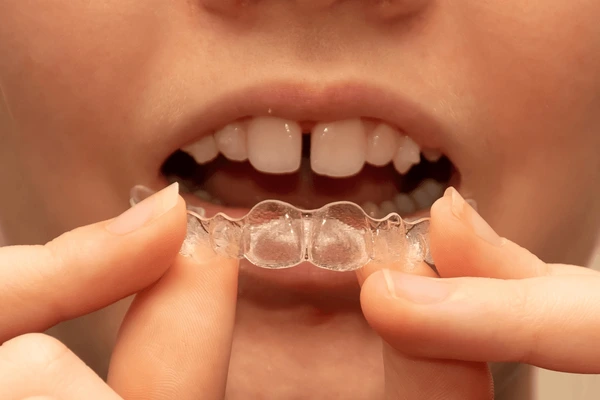
That tight feeling isn’t because the aligners are too small. It’s because they’re designed to gently guide your teeth into a better position.
Imagine pushing a heavy chair across a room.
You don’t shove it all the way to the other side in one go. You move it a little at a time until it reaches the right place.
Clear aligners work in much the same way.
Each new tray moves your teeth by a very small amount. Individually, the changes are tiny. But after several months, those small movements can completely transform your smile.
That’s why a new aligner often feels tighter than the one you’ve just finished wearing.
In most cases, this tight feeling is actually reassuring—it means the next stage of your treatment has begun.
Is It Really Pain, or Is It Just Pressure?
People often use the word “pain”, but that’s not always the best way to describe what they’re feeling.
For most patients, it’s closer to pressure.
Think about pressing gently on a bruise. You know something is happening, but it’s not a sharp or unbearable pain.
That’s very similar to how clear aligners usually feel.
Here’s an easy way to tell the difference.
| Normal Pressure | Pain That Needs Attention |
|---|---|
| Teeth feel tight | Sharp or severe pain |
| Mild soreness when chewing | Pain that gets worse every day |
| Improves after a couple of days | Doesn’t improve after several days |
| Usually affects several teeth | Often affects one tooth or one small area |
| Starts after changing to a new aligner | May be caused by an ill-fitting aligner or another dental problem |
If you’re mainly noticing pressure, you’re probably experiencing a normal part of treatment.
If you’re in significant pain, it’s always best to let your dentist know.
Why Does Every New Aligner Feel Different?
Many patients ask,
“If my teeth have already moved, why does every new aligner feel tight again?”
The answer is simple.
Each aligner is slightly different from the one before it.
By the time you’ve finished wearing one tray, your teeth have already moved into a new position. Your next aligner is designed to continue that journey.
Because every stage of treatment is different, some trays may feel almost effortless, while others may feel noticeably tighter for a day or two.
This is perfectly normal.
It doesn’t mean anything has gone wrong.
In fact, it usually means your treatment is progressing exactly as planned.
How Long Does the Discomfort Last?
One of the most reassuring things about clear aligners is that the discomfort doesn’t usually last very long.
Most people notice a simple pattern.
| Time | What You May Feel |
|---|---|
| First few hours | A feeling of tightness |
| Day 1 | Mild soreness or pressure |
| Day 2 | Discomfort starts reducing |
| Day 3 | Most people feel much more comfortable |
| Day 4 onwards | Aligners usually feel completely normal until it’s time to change to the next set |
Everyone’s experience is a little different.
Some people barely notice any discomfort at all, while others feel mild soreness for two or three days after changing trays.
Both experiences are considered normal.
Are Clear Aligners More Comfortable Than Braces?
In many cases, yes.
Both braces and clear aligners move your teeth, so it’s normal to feel some pressure with either treatment.
The difference is how that pressure is experienced.
Traditional braces use metal brackets and wires, which can sometimes rub against your cheeks or lips and cause small mouth ulcers, especially after adjustments.
Clear aligners are made from smooth plastic, so they don’t usually cause this kind of irritation.
That’s one of the reasons many adults and teenagers find aligners easier to get used to.
| Clear Aligners | Traditional Braces |
|---|---|
| Smooth plastic trays | Metal brackets and wires |
| No sharp edges | Brackets and wires may irritate the mouth |
| Easy to remove while eating | Fixed to your teeth |
| Easier to brush and floss | Cleaning around braces takes more time |
| Gentle pressure with each new tray | Tightening appointments may cause temporary soreness |
My Clinical Insight
One concern I hear almost every day is, “I’m worried the aligners will hurt too much.”
Interestingly, most patients say the opposite after they’ve started treatment.
The first day with a new aligner is usually when they notice the most pressure. By the second or third day, many tell me they’ve almost forgotten they’re wearing it.
I’ve also noticed something else over the years. Patients who wear their aligners for the recommended 20–22 hours a day usually find each new tray easier to adjust to. On the other hand, wearing aligners only occasionally can make every tray feel tighter because the teeth haven’t had enough time to keep up with the planned movement.
That’s why consistency is one of the simplest ways to make your aligner journey more comfortable.
How to Reduce Discomfort from Clear Aligners
The good news is that most aligner discomfort is mild and temporary. In many cases, you don’t need painkillers or special products. A few simple habits can make a big difference and help you adjust more quickly.
Here are some practical tips that we regularly share with our patients.
1. Change to a New Set Before Going to Bed
One of the easiest ways to make new aligners feel more comfortable is to switch to a new tray at night.
You’ll sleep through the first few hours when the aligners usually feel the tightest. By the time you wake up, your teeth have already started adjusting, making the first day much easier.
Many patients find this simple change makes every tray feel more manageable.
2. Wear Your Aligners for the Recommended Time
It may seem tempting to remove your aligners when they feel tight, but doing so usually makes things worse.
Clear aligners are designed to be worn for 20–22 hours a day. If you keep taking them out, your teeth begin to move back slightly. When you put the aligners back in, they feel tight all over again.
Patients who wear their aligners consistently often experience less discomfort throughout treatment because each new tray fits as planned.
3. Eat Soft Foods if Your Teeth Feel Tender
If your teeth feel a little sore after changing to a new aligner, choose softer foods for the first day or two.
Good options include:
- Yogurt
- Khichdi
- Dal and rice
- Pasta
- Soft fruits
- Scrambled eggs
- Soup
- Smoothies
There’s no need to avoid your favourite foods forever. Once the tenderness settles, you can return to your normal diet.
4. Drink Plenty of Water
A dry mouth can sometimes make your aligners feel less comfortable.
Drinking enough water keeps your mouth fresh, helps reduce irritation, and encourages you to keep your aligners clean.
It also helps if you’re speaking more while getting used to your aligners.
5. Keep Your Aligners Clean
Dirty aligners can collect bacteria, develop an unpleasant smell, and sometimes irritate your gums.
Rinse your aligners every time you remove them and clean them as recommended by your dentist. You can also refer to our article on How to Clean Clear aligners.
Clean aligners not only look better—they’re usually more comfortable to wear too.
6. Don’t Skip to the Next Tray Early
Some patients feel tempted to move to the next aligner before the recommended date because the current tray feels loose.
This isn’t a good idea.
Each aligner is designed to move your teeth at the right pace. Changing trays too early may increase discomfort and affect how well your treatment progresses. If you’re new to treatment and want to understand how clear aligners work, how they move teeth, and what to expect throughout the process, read our complete beginner’s guide to clear aligners.
Always follow the schedule given by your dentist.
Should You Stop Wearing Your Aligners if They Hurt?
This is one of the most common questions patients ask.
In most situations, the answer is no.
If your aligners feel tight or your teeth are slightly sore, keep wearing them as instructed. Removing them for long periods usually delays treatment and often makes the discomfort last longer because your teeth don’t get enough time to adjust.
However, if you’re experiencing severe pain, notice that an aligner doesn’t fit properly, or the plastic is digging into your gums, don’t ignore it. Contact your dentist before making any changes to your treatment.
Most problems can be solved quickly with a small adjustment or by checking that the aligners are fitting correctly.
When Should You Be Concerned About Pain?
A little soreness is expected.
Severe pain is not.
You should contact your dentist if you notice any of the following:
- Pain that becomes worse instead of improving.
- Pain that continues for more than a few days after changing aligners.
- A cracked or damaged aligner.
- An aligner that doesn’t fit properly.
- Bleeding gums that don’t improve.
- Swelling around a tooth or the gums.
- Pain that makes it difficult to eat or sleep.
These situations are uncommon, but they shouldn’t be ignored.
According to the American Association of Orthodontists, mild discomfort is a normal part of orthodontic treatment because teeth are gradually moving into new positions. However, severe or persistent pain should always be assessed by your dental professional.
Why Do Some People Feel More Discomfort Than Others?
No two smiles are exactly the same, so no two aligner journeys are identical either.
Some people hardly notice any soreness throughout treatment, while others feel a little more pressure when they start a new tray.
Several factors can influence how your teeth respond, including:
- How much tooth movement is planned.
- Whether you’re just starting treatment.
- How consistently you wear your aligners.
- Your individual pain tolerance.
- Whether attachments have recently been placed.
Experiencing a little more soreness than someone else doesn’t mean anything is wrong. Every smile moves at its own pace.
Common Myths About Clear Aligner Pain
When people think about straightening their teeth, they often hear stories from friends or read information online that isn’t always accurate.
Let’s clear up some of the most common myths.
Myth 1: If Your Aligners Hurt, Something Is Wrong
Fact: Mild soreness or a feeling of pressure during the first few days is completely normal. It simply means your teeth are adjusting to the new aligner. The discomfort should gradually improve over the next few days.
Myth 2: Taking Your Aligners Out Will Help
Fact: This may feel better for a short time, but it usually makes things worse.
Every time you leave your aligners out for longer than recommended, your teeth begin to shift back slightly. When you put the aligners back in, they feel tight all over again.
The best way to reduce discomfort is to wear your aligners for the recommended 20–22 hours every day.
Myth 3: Everyone Experiences the Same Amount of Pain
Fact: Everyone is different.
Some people hardly notice any discomfort during treatment, while others feel mild soreness whenever they change to a new tray.
Both experiences are completely normal.
Myth 4: Clear Aligners Hurt More Than Braces
Fact: Most patients actually find clear aligners more comfortable than traditional braces because there are no metal brackets or wires rubbing against the inside of the mouth.
If you’re still deciding which treatment is right for you, our guide comparing braces vs clear aligners explains the differences in comfort, appearance, treatment time and daily care.
Frequently Asked Questions
Do clear aligners hurt every time you change trays?
Usually, yes—but only a little.
Most people notice mild tightness for the first day or two after changing to a new aligner. As your teeth adjust, the discomfort gradually disappears.
Why do my aligners hurt more at night?
Many people become more aware of pressure when they’re lying down because there are fewer distractions.
This doesn’t necessarily mean the aligners are causing more pain. In most cases, it’s simply more noticeable during quiet moments before sleep.
Can I take a painkiller if my aligners feel sore?
If the discomfort is bothering you, you can usually take an over-the-counter pain reliever that is suitable for you, following the instructions on the label or advice from your doctor or dentist.
However, most patients find that they don’t need any medication because the soreness settles on its own within a couple of days.
What if only one tooth hurts?
Sometimes one tooth may feel more sensitive than the others because it’s moving a little more during that stage of treatment.
If the pain is severe, continues for several days, or is accompanied by swelling, contact your dentist to have it checked.
Can clear aligners damage my teeth?
When clear aligners are planned and monitored by a qualified dentist or orthodontist, they are a safe and predictable way to straighten teeth.
Problems are more likely to occur if aligners are not worn as instructed or if treatment is carried out without proper supervision.
Can children wear clear aligners?
Clear aligners can be suitable for many teenagers and, in some cases, younger children, depending on their dental development and ability to wear the aligners consistently.
Your dentist will recommend the most appropriate treatment after a thorough examination.
My Final Thoughts!
One of the biggest misconceptions about clear aligners is that they are painful throughout treatment.
In reality, most patients experience only mild discomfort during the first couple of days after changing to a new tray. After that, the aligners usually become so comfortable that many people forget they’re even wearing them.
The key is consistency.
Wearing your aligners for the recommended number of hours every day helps your teeth move as planned and often makes each new tray easier to adjust to.
If you ever feel unsure about the fit of your aligners or experience pain that doesn’t seem normal, don’t hesitate to contact your dentist. It’s always better to ask than to worry.
Conclusion
So, do clear aligners hurt?
The answer is yes—but only a little, and only for a short time.
Most people experience mild pressure rather than true pain, especially during the first one to three days after starting a new aligner. This is a normal part of the process and usually settles quickly as your teeth adjust.
For many patients, clear aligners are significantly more comfortable than traditional braces because there are no metal brackets or wires to irritate the mouth.
If you’re considering treatment, the best way to know whether clear aligners are right for you is to have your teeth assessed by an experienced dentist.
If you’d like to learn more about treatment options, what to expect, and whether you’re a suitable candidate, explore our guide to the cost of clear aligners in Gurgaon or book a consultation to discuss your smile goals.
Thinking About Straightening Your Teeth?

At Svaastha Dental Clinic & Implant Center, Dr. Arjita Sood has been helping patients achieve healthier, more confident smiles since 2010. Every clear aligner treatment plan is personalised, with careful monitoring to ensure your teeth move safely and comfortably.
If you’re looking for a trusted dentist in Gurgaon and want to find out whether clear aligners are right for you, we’d be happy to guide you through your options.
Medical Disclaimer
This article is intended for educational purposes only and should not replace professional dental advice. If you are experiencing severe tooth pain, swelling, bleeding, or an aligner that does not fit properly, please consult your dentist for an examination and personalised advice.
References
- American Association of Orthodontists – Patient information on orthodontic treatment and clear aligners.
- NHS – General oral health advice and caring for your teeth and gums.